Cold Email Personalization: 5 Mistakes and Examples
Written by Alex WejnerUpdated Outreach & messaging
Personalization can make or break your outreach. Done right, it shows prospects you get them. Done wrong, it feels lazy, forced, or flat-out wrong.
Below are the five mistakes we see most in cold email personalization, each with a before-and-after example you can borrow. The examples use a fictional company, Northwind Freight, so you can see the method; swap in facts you've checked about your own prospect.
1. Using Only Surface-Level Details
The problem: Grabbing easy details from LinkedIn (job title, company, alma mater) and calling it a day.
Why it fails: It’s giving ✨ mass email ✨. Prospects can spot generic outreach a mile away.
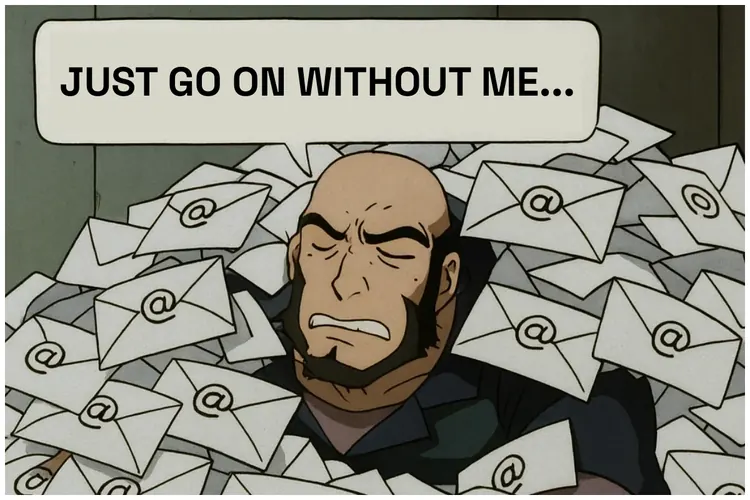
✅ How to fix it: Dig deeper. Go beyond the basics and connect to something meaningful: a project they led, an industry shift, or a company initiative.
Before: "Hi Dana, I see you're VP of Operations at Northwind Freight and a fellow Ohio State grad!"
After: "Hi Dana, saw Northwind opened its 15th depot, in Columbus, last month."
The "after" line works because it's a business event Dana cares about, and it gives the rest of the email something to build on.
2. Personalizing the Opener but Not the Offer
The problem: You have a strong intro, but a weak follow-through. You hook them with a tailored opener… and then drop in the same generic pitch you send everyone.
Why it fails: It feels like a bait-and-switch. Personalization isn’t just for the first line. It needs to carry through the entire email.
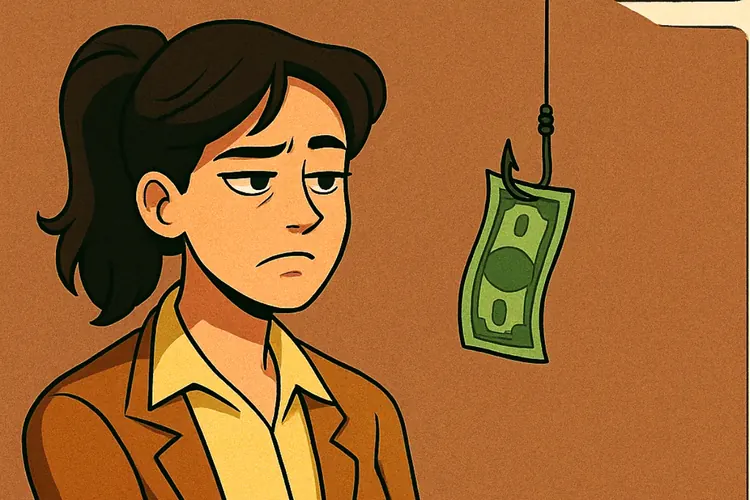
✅ How to fix it: Tie personalization to the value you’re offering. Make sure the problem you highlight, the proof you share, and the CTA you include all reflect their world, not just yours!
Before: "Saw Northwind opened a depot in Columbus. Our platform is the leading AI solution for logistics. Can I show you a demo?"
After: "Saw Northwind opened a depot in Columbus. When carriers add a depot before peak season, dispatchers often end up re-planning routes by hand. Is that happening at Columbus, or is it handled?"
3. Ignoring Their Current Reality
The problem: Pitching growth hacks to a company that just announced layoffs.
Why it fails: It can come off as insensitive or give off a general lack of awareness.
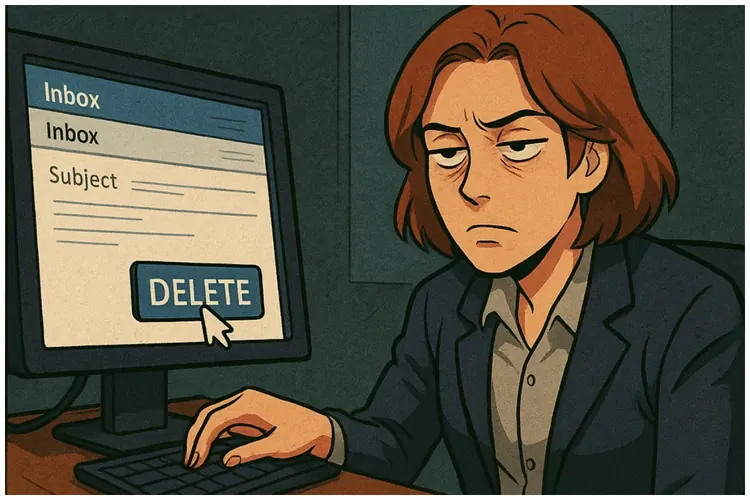
✅ How to fix it: Review before you hit send: industry trends, recent news, and company updates. A little context goes a long way in making your outreach land at the right moment.
Before: "Ready to scale your sales team this quarter?" (sent the week the company announced a hiring freeze)
After: "With the hiring freeze, I'd guess the team is being asked to cover more accounts with the same people. Is that right?"
4. Overdoing the Flattery
The problem: You lay it on thick. Suddenly your prospect is more buttered up than a bread roll at Texas Roadhouse.
Why it fails: Forced praise feels fake. If it’s not authentic, it risks undermining your credibility.
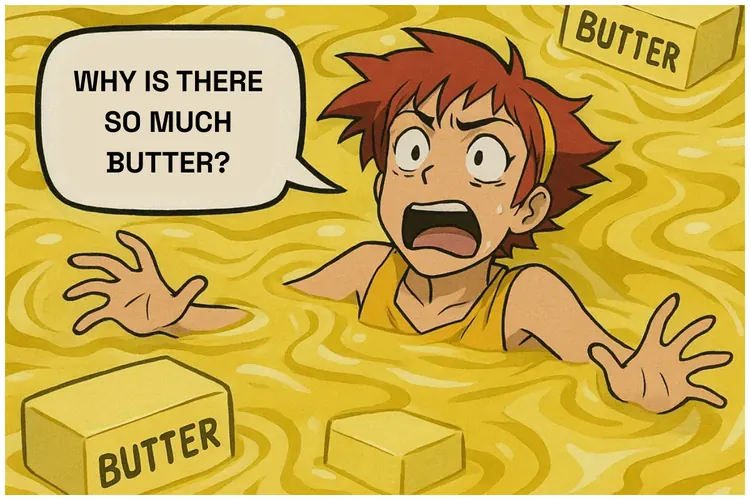
✅ How to fix it: Be specific and genuine. If you’re complimenting someone’s work, point to why it stood out and how it’s relevant to what you’re offering.
Before: "I'm such a huge fan of your amazing leadership and incredible vision!"
After: "Your post on on-time delivery targets made a point I hadn't seen before: that the first month at a new depot sets the tone. That's the problem I wanted to ask you about."
5. Over-Automating Without Human Review
The problem: “Hi [First_Name]...” Yep, the placeholder gremlin strikes again.
Why it fails: One little error can destroy the whole message. Instead of reading your pitch, your prospect has already hit delete.
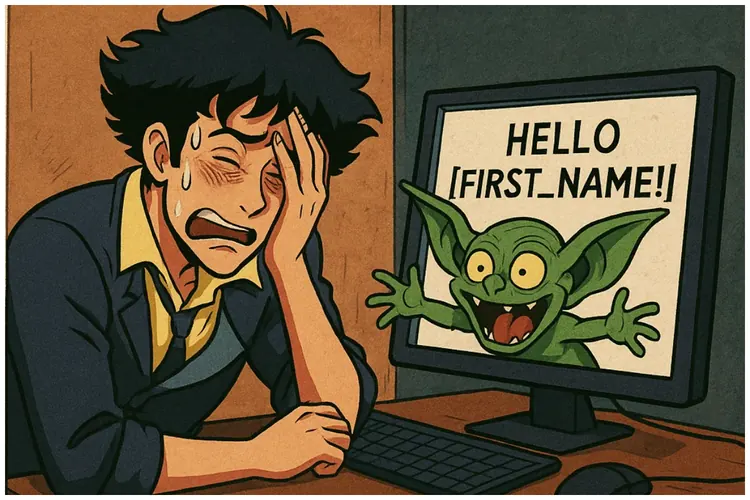
✅ How to fix it: Take one minute to re-read before sending. Automation should help personalization, not sabotage it!
Before: "Hi {first_name}, congrats on {company}'s recent {event}!"
After: The same template, with every field checked by a person before it goes out, and any email without a real event held back.
Verify the Source and Explain the Relevance
Every personalized line makes a claim about the prospect's world. Two checks keep it from backfiring:
- Is it true and current? Find the original source: the company's press release, careers page, filing or the person's own post. Note the date. A "congrats on the launch" for something that happened two years ago does more harm than no personalization at all.
- Does it connect to why you're writing? A fact only earns its place if the next sentence explains what it usually means for someone in their role. If you can't write that sentence, pick a different fact.
Research-to-Message Checklist
- One specific, recent fact about their company, with a source you could share
- One sentence on what that fact usually means for their role
- An offer and proof that match that problem, not your standard pitch
- A question they can answer in one line
- Every merge field and name checked by a person
- Nothing that would still make sense with another company's name in it
For ready-made structures, see our research-driven cold email templates and subject lines with matching openers. If you need to find the facts faster, the account profiling template shows where to look.
Key Takeaways
Personalization isn’t about sprinkling in a name or flattery. It’s about showing relevance, empathy, and timing. If you avoid these mishaps, your outreach won’t just get noticed, it’ll get responses 🚀
Psst! Bebop finds the facts worth mentioning for every account and drafts the email around them, so you can spend your minute on the review step instead of the research.